
 ← Focus & Calm
 Coloring Activities That Actually Work for Kids With ADHD
Practical, low-pressure coloring ideas that help kids with ADHD focus, regulate, and feel proud of what they create.
Homework time turns into a small storm. Your kid is up, down, sharpening pencils for the third time, asking for a snack, then declaring the whole thing impossible. If you parent a kid with ADHD, you know that feeling well — and you also know how rare and beautiful it is when something actually holds their attention for more than five minutes.
Coloring can be one of those rare things. Not because it is magical, but because it offers structure without pressure, movement without chaos, and a clear sense of progress. We have seen it work in our own house, and a lot of parents tell us the same. Here is what tends to help.
Why coloring fits ADHD brains so well
Kids with ADHD are not lacking attention — they have a brain that craves the right kind of stimulation. Coloring hits a nice middle spot:
- Repetitive but not boring. The hand keeps moving, but the mind can wander or focus, depending on what the kid needs.
- Visible progress. Every stroke shows. That instant feedback is gold for a brain that thrives on small wins.
- Low stakes. There is no wrong answer. A blue bunny is just as valid as a brown one.
- Sensory grounding. The texture of paper, the smell of crayons, the soft sound — it calms the nervous system.
The goal is never to make a kid sit still for an hour. It is to give them something that gently pulls them in, even for ten minutes.
Set up the space (this matters more than the book)
Before you even open a coloring book, the environment does half the work:
- Clear the table. Less visual clutter means less distraction.
- Limit the supplies. Five crayons in a small cup is better than a giant box. Too many choices can freeze a kid with ADHD.
- Add a soft soundtrack. Instrumental music or white noise often helps kids with ADHD focus better than silence.
- Have a clear stop point. Instead of saying “color for a while,” try “let us finish this one page, or color until this song ends.”
Small environmental tweaks turn coloring from a battle into a flow.
Activities that work especially well
Not every coloring session has to look the same. Mix it up depending on the day:
- Two-color challenges. Tell your kid they can only use two crayons for the whole page. Constraints actually help ADHD brains focus.
- Color-by-feeling. Pick a feeling (excited, calm, frustrated) and let them choose colors that match. Great for emotional awareness.
- Tag-team coloring. You color half, they color half. The shared activity reduces the pressure of “finishing alone.”
- Timer races (the friendly kind). Set a 5-minute timer and color a small area together. Short bursts work better than long stretches.
- Storytelling pages. After they color, ask them to invent a story about the page. This bridges focus and imagination beautifully.
The trick is variety without overwhelm. One new twist per session is plenty.
Pair coloring with emotional check-ins
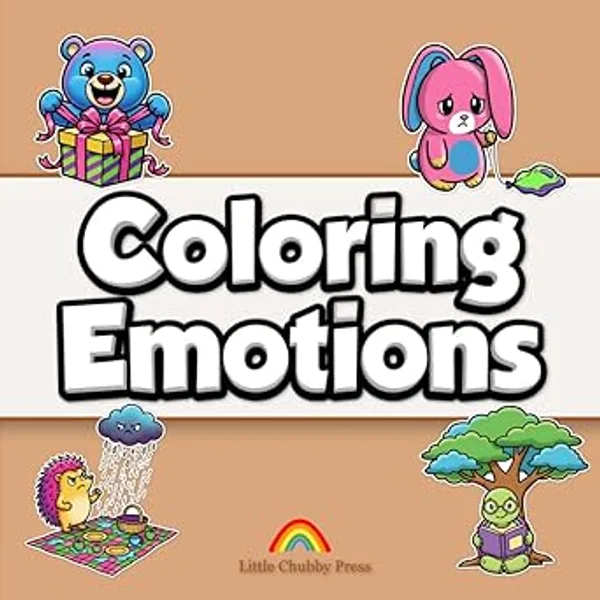
Kids with ADHD often have big feelings that arrive faster than words. Coloring gives them a quiet moment to actually notice what is going on inside. Our book Coloring Emotions was designed exactly for this — pages that gently introduce different feelings so kids can color through them instead of bottling them up. It is not therapy, and it is not meant to replace anything serious. It is just a soft, simple bridge between a busy brain and a hard-to-name feeling. If your kid struggles to talk about emotions, this kind of book can do a lot of the heavy lifting without anyone saying a word.
What to skip (and what to forgive)
A few things make coloring harder for ADHD kids, even with the best intentions:
- Overly detailed pages. Tiny intricate designs can feel like a trap. Bold, simpler outlines work much better.
- Pressure to finish. Half a page colored is a win. Leave the perfectionism at the door.
- Comparing siblings. One kid might finish three pages while another colors one corner. Both are doing it right.
- Using it as punishment. Coloring should stay associated with calm and choice, never with consequences.
If a session goes sideways, that is fine. Try again tomorrow. Some days the brain is just not in the mood, and that is not failure.
Your next step
You do not need a special plan, a quiet kid, or a perfect afternoon to start. Pull out a few crayons tonight, sit down next to your kid, and color one page together. Not as a lesson, not as therapy — just as a small, calm thing you do side by side. That is where it all begins.
Keep exploring
- Why coloring is the perfect wind-down activity before bedtime — gentle ideas for calming busy minds at the end of the day.
- Mindfulness coloring exercises that actually calm anxious kids — simple practices that pair beautifully with ADHD-friendly coloring.
- Teaching kids to name their feelings without awkward talks — how coloring opens the door to emotional conversations.
More articles

Mindfulness Coloring Exercises That Actually Calm Anxious Kids
Simple mindfulness coloring exercises to help anxious kids slow down, breathe, and feel grounded — no meditation app required.

Why Coloring Is a Secret Weapon in Doctor Waiting Rooms
A calm, practical guide to using coloring books at medical appointments to help kids wait, relax, and feel safe.

Why Coloring Is a Lifesaver for Kids Who Struggle With Transitions
Discover how coloring becomes a calming bridge that helps anxious kids navigate daily transitions with less stress and more confidence.