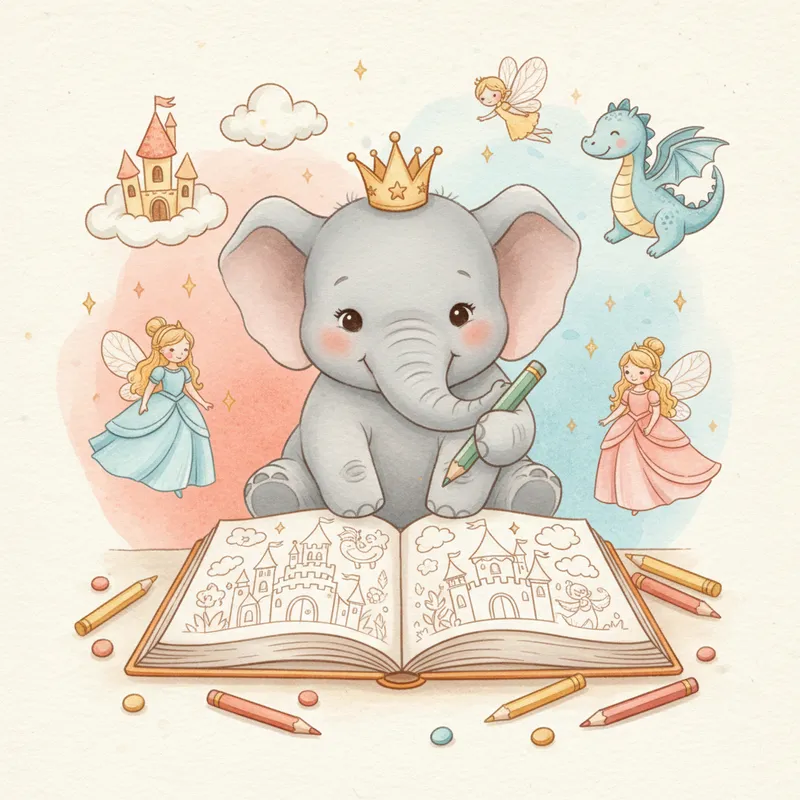
How Fairy Tale Coloring Transforms Kids Into Natural Storytellers
Discover how fairy tale coloring pages unlock your child's storytelling superpowers and boost creativity in surprising ways.
Your child flips through another picture book, asks you to read it for the hundredth time, then wanders off saying they are bored. Sound familiar? While we love reading to our kids, many parents wonder how to help their children become active creators of stories, not just passive consumers.
The answer might be simpler than you think: fairy tale coloring pages that invite storytelling.
Why fairy tales are perfect storytelling training wheels
Fairy tales give children a familiar framework to work within. They already know the basic elements—castles, princesses, dragons, magic—which frees up their mental energy to focus on the fun part: creating their own version of the story.
When kids color these familiar characters, something magical happens. They start asking questions: “What if this princess had purple hair?” “What if the dragon was actually friendly?” “What if the castle was made of candy?” These questions are the building blocks of original storytelling.
The visual element is crucial here. Unlike blank paper, coloring pages provide just enough structure to spark imagination without overwhelming young minds. Children can see their story taking shape as they choose colors, creating an immediate connection between their creative decisions and the narrative possibilities.
How coloring pages become story prompts
Every coloring choice becomes a story decision. When your child picks bright green for a dragon instead of traditional red, they are already starting to craft a unique character. That green dragon might be made of emeralds, or perhaps it loves eating vegetables instead of breathing fire.
The process works beautifully because it engages both sides of the brain. The left hemisphere handles the logical aspects of staying within lines and choosing appropriate colors, while the right hemisphere dreams up the creative story elements. This dual engagement strengthens neural pathways and builds confidence in both artistic and verbal expression.
Parents often notice that children who struggle with traditional writing assignments suddenly become chatty and enthusiastic when describing their colored fairy tale scenes. The visual anchor gives them something concrete to build their words around.
Simple ways to encourage storytelling through coloring
Start with open-ended questions that build on what your child has already created. Instead of “Tell me about your picture,” try “I notice you made the fairy’s wings sparkle—what special power do you think those wings have?” This approach validates their artistic choices while opening the door to story development.
Create story chains by having your child color one scene, tell you about it, then color a related scene that continues the adventure. This naturally teaches story structure—beginning, middle, and end—without feeling like a formal lesson.
Try collaborative storytelling where you and your child take turns adding sentences to describe what is happening in their colored scene. This models storytelling techniques while keeping the experience playful and pressure-free.
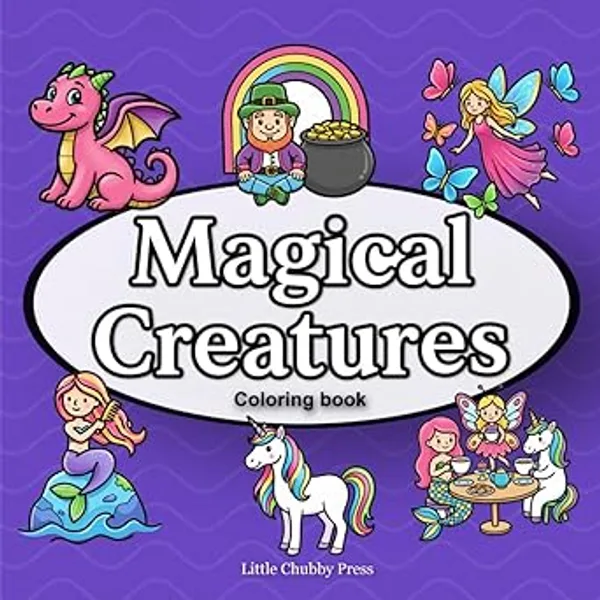
If you want to take it further, books like Magical Creatures Coloring Book offer diverse fantasy characters that spark rich storytelling opportunities. The variety of creatures—from gentle unicorns to wise owls—gives children multiple story paths to explore, often leading to elaborate adventures that surprise even the most creative parents.
Building confidence through creative ownership
One of the most powerful aspects of fairy tale coloring for storytelling is how it gives children complete creative control. They decide the colors, they invent the backstories, they choose what happens next. This ownership builds confidence that transfers to other areas of life.
Children who regularly engage in this type of creative play often become more willing to share ideas in school, contribute to family discussions, and tackle new challenges. The fairy tale framework provides a safe space to experiment with ideas, knowing that in their story, anything is possible.
The repetitive nature of coloring also creates a meditative state that many children find calming. In this relaxed mental space, creativity flows more freely, and storytelling ideas emerge naturally without the pressure of formal creative writing exercises.
Your next step
This week, sit down with your child and a fairy tale coloring page. Instead of focusing on staying within the lines or using “realistic” colors, encourage them to make bold choices and then ask them to tell you the story behind their decisions. You might be amazed at the elaborate worlds they create with just a few crayons and a lot of imagination.
Keep exploring
- How fantasy coloring sparks imagination and problem-solving in kids — Discover the cognitive benefits of fantasy-themed creative activities.
- 3 ways to turn a boring afternoon into a creative workshop (for free) — Transform any day into an adventure with simple storytelling activities.
- How Animal Coloring Pages Build Empathy in Kids (The Science Will Surprise You) — Learn how character-based coloring develops emotional intelligence.
Related posts
How Fashion Design Careers Actually Start With Coloring Books
Discover why famous fashion designers credit childhood coloring as their creative foundation and career launchpad.
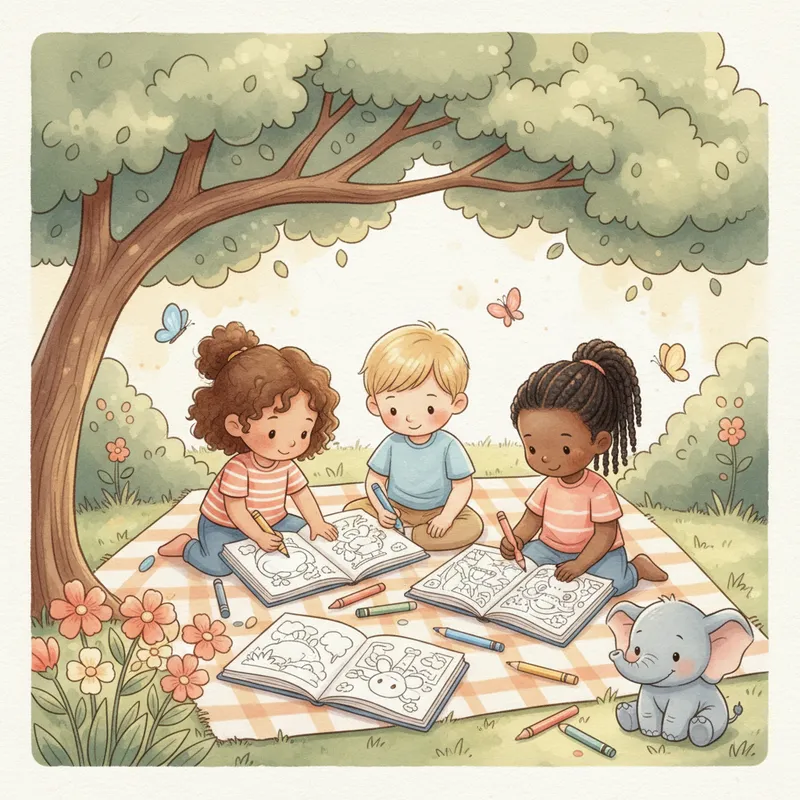
Why Coloring Is the Perfect Screen-Free Summer Activity
Discover why coloring beats screens for summer fun and keeps kids creatively engaged during long vacation days.
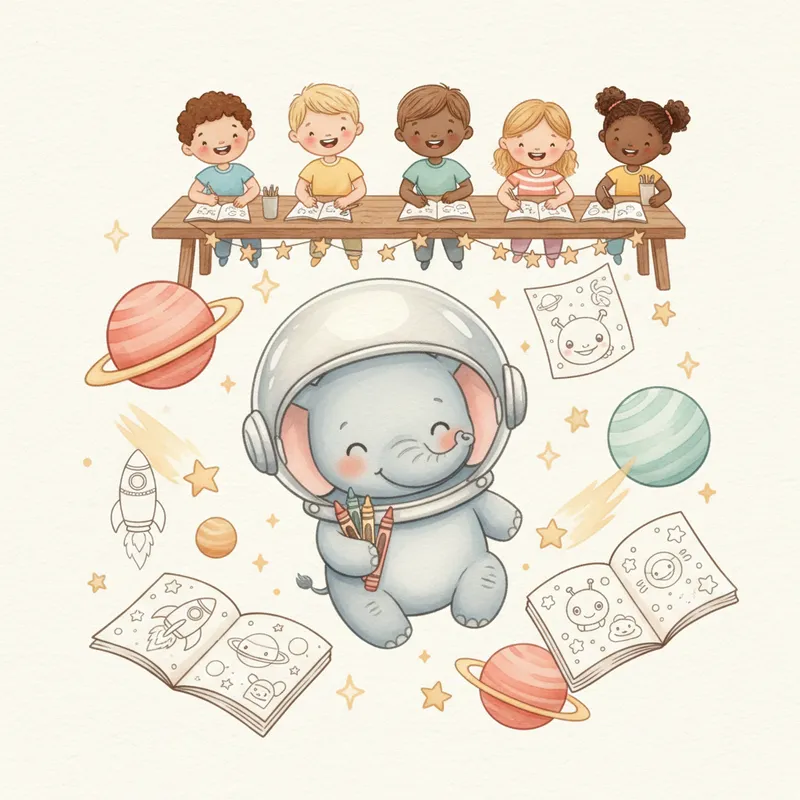
Space Birthday Party Coloring Activities That Launch Epic Fun
Transform your child's space birthday party with these creative coloring activities that keep kids engaged and parents stress-free.